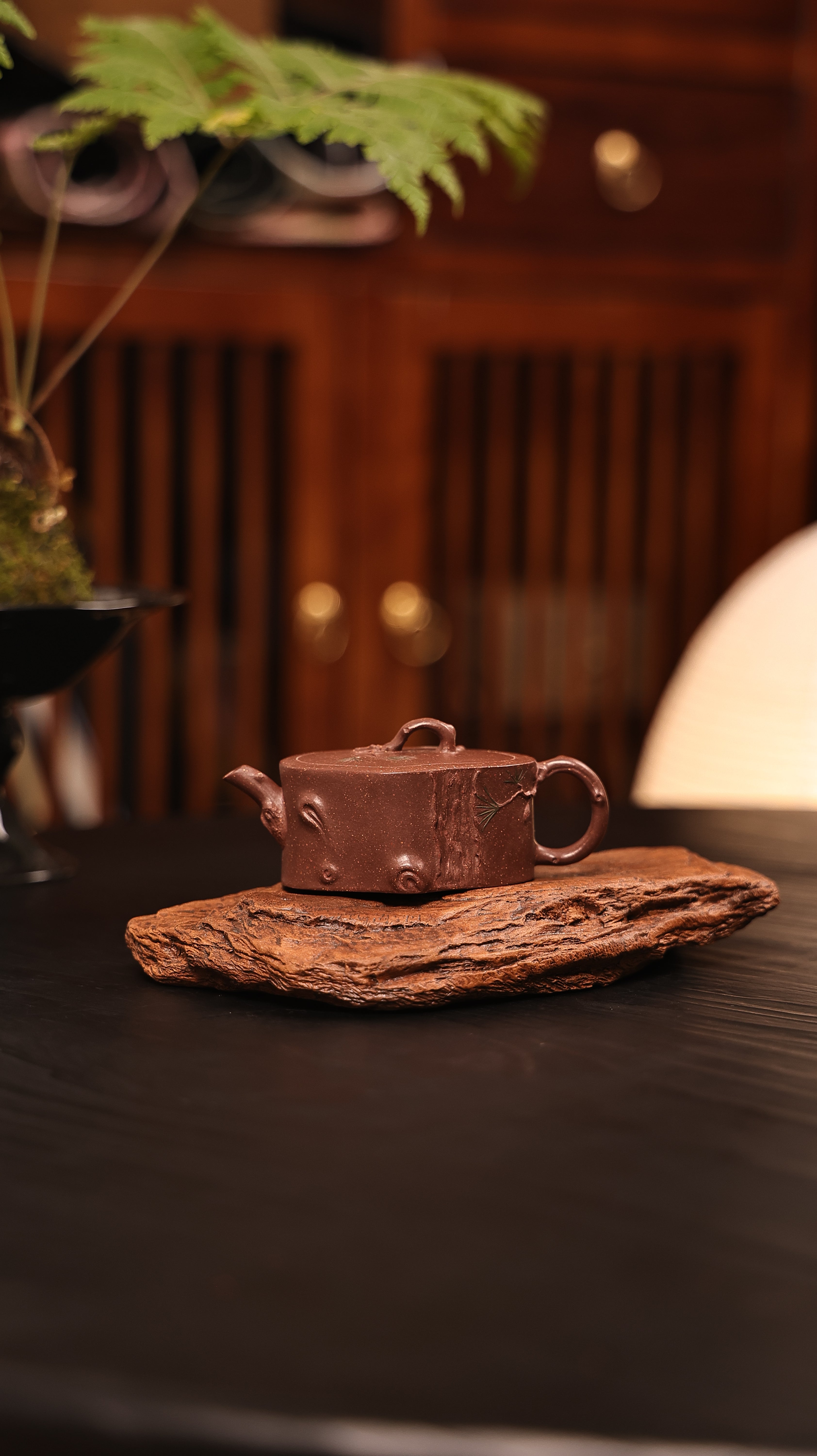
What makes a Purple Clay Teapot more desirable than glass for showcasing artisan loose-leaf teas?
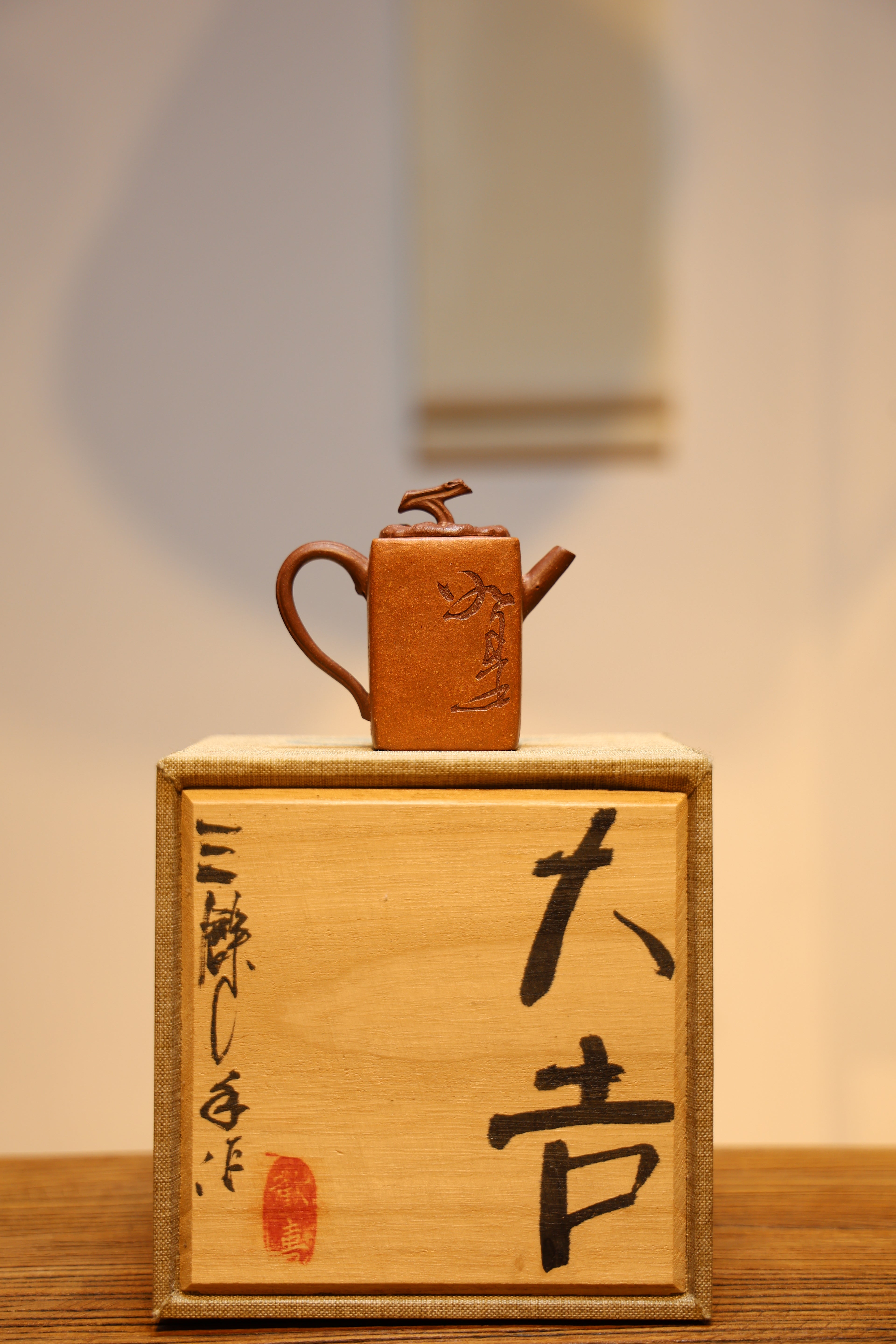
Everlasting legacy characterizes Jiangsu ceramic pots alongside timespans,
Expressing exclusive properties collected through territorial lavender elements, the pitchers yield a layer during consumption, heightening profile yielded from developed concoctions.
Recognizing Yixing Mud: Exhaustive Insights into Zisha
Diverse lovers respect the incomparable consistency of Yixing indigo clay, a bedrock of classic Chinese pottery. Appearing from the Yixing region of Jiangsu province, this valuable clay presents an fine mineral constitution, what provides incredible qualities to the manufactured wares. Kinds within Zisha, including Purple Mud, Duan Ni Mud, and Jiang Xi Mud, each offers particular complexions, patterns, and hardening traits, affecting the openness and the definitive savor development of the concoction.
Asiatic Vessel Traditions: Interpreting Technique
Sino teapots embody over mere jars for brew; they represent centuries of legacy skill. From the classic Yixing clay variations, respected for their ventilated nature which transfers unique aromas to the liquid, to the graceful porcelain from Jingdezhen, each piece conveys a history of effort. The crafting process is an precise pursuit, often transmitted through houses of artisans. These makers use ancient systems such as hand-building, forming on wheels, and embellishing, demonstrating profound reverence for the element and the craft itself. Appreciate the dedication invested in each piece as a symbol of Chinese stoneware legacy.
- Yixing crocks: a timeless pick.
- Jingdezhen ware teapots: valued for their refined design.
- Constructing techniques: a arduous yet worthwhile procedure.
Zisha Pitcher Preservation: Caring for Your Cherished Item
Necessary preservation of your notable Yixing Zisha pot is fundamental to boosting its longevity. Crafted from noteworthy purple sand clay, these exquisite teapots acquire a deep patina after service, notably boosting their allure. Avoid cleaning agents; a careful rinse with temperate fluid is effective. Resist boiling water for rinsing the teapot, as it may weaken its body. Allow it to dry away from harsh sun beams. Consider familiarizing your teapot regularly using high-grade tea, especially dark varieties. Here is a brief overview:
- Swill with comfortably warm water.
- Do not use chemical agents.
- Grant it to lose dampness.
- Prepare with fine tea.
Heritage of Yixing Teapots: From Modest Roots
The narrative of Yixing teapots originates unassumingly during the Han dynasty, circa the 16th time. Initially, these wares were not the respected items they are understood currently. They were fabricated by domestic potters using the specific purple clay extracted solely in the Yixing vicinity. These early concoctions were essentially utilitarian, created for habitual performance and often minimal in layout. It was not until the successive dynasty that they triggered to earn reputation beyond mere useful pottery.
Picking the Right Yixing Urn: A Fundamental Overview
Navigating the universe of Yixing teapots can be challenging, but avoid worrying! For apprentices, the critical factor is understanding the dirt. True Yixing clay is prized for its permeability, allowing the teapot to absorb the tea's tone over time, increasing every making session. Reflect on the shape; traditional arched shapes prevail, yet particular preferences hold sway. Lastly, examine the texture—while some favor an basic appearance, others prefer a gentle gloss. Take your time in the option process—this is an buying in a treasured piece of craftsmanship.
Traditional Clay Urns and Their Effect on Chinese Potion Ceremony
Zisha containers, existing from Yixing, China, have profoundly changed ancient Chinese potion culture. Those Yixing clay teapots, prized for their distinctive cast, surface, and exceptional ability to impart a subtle flavor to the liquid, are more than mere utensils; they are respected works of art and symbols of prominence. The very act of preparing and serving elixir using a Zisha teapot is steeped in heritage, elevating the experience beyond simple refreshment. Generations of artisans have mastered their techniques, passed down through lineages, resulting in highly esteemed pieces. Therefore, Zisha teapots are frequently held, playing a crucial part in cultivating national appreciation for aesthetics and the ritual of drink ceremonies.
- Singular Clay Composition
- Providing Subtle Flavor
- Detailed Craftsmanship
Determining Verified Precious Local Pottery
Procuring a authentic Yixing teapot can be a satisfying experience, but the market is often infested with frauds. Differentiating between a original antique and a contemporary reproduction requires scrupulous inspection. Key signals include the clay's earthy shade, often displaying streaked surfaces, and the missing of modern curing imprints. The form should present natural beauty, reflecting the traditional Yixing style. Finally, investigating the artisan's inscription is paramount to verify genuineness against recorded literature.
- Assess the clay's grain.
- Look for defects, indicative of bespoke quality.
- Consult an professional for assessment.
Committing to 宜兴 Earthenware: A Elaborate Guide to Purple Clay Analysis
The sector of Native Zisha teapots presents a distinct possibility for educated investors. Steadily, the valuation of these well-made artifacts is steered by various elements, such as the caliber of earthenware, the craftsmanship of the producer, the ancestral notability, and, naturally, the modern attention. Zisha Teapot Rookies should concentrate on understanding the different types of Zisha clay—such as 冰河, Calm Pot, and Scarlet Earth—and researching the traits linked to each. Diligent assessment of the pot's form, hue, and mark is also essential to make competent considerations when investing.