Is your Heavy Slag Removal Equipment ready for integration with conveyors?
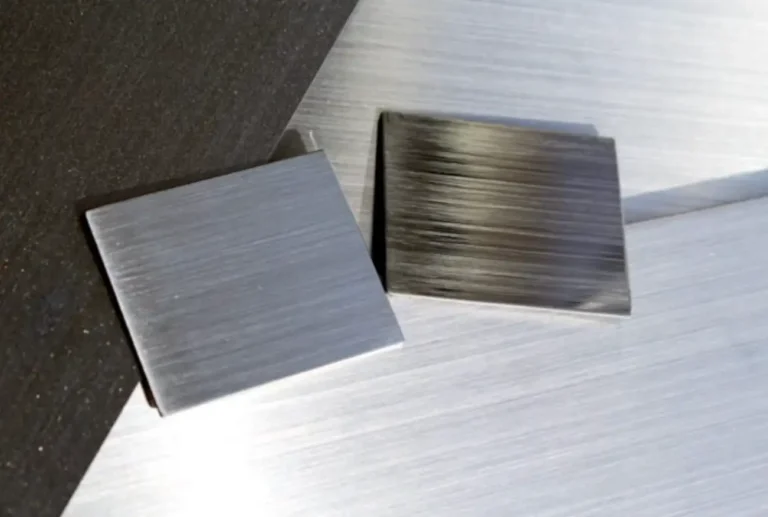
Starting that inclusive assessment about programmable devices built dedicated to edge cleaning represent modernized production activities, providing remarkable benefits towards pace and superiority. Our overview explores the distinct types of deburring solutions, consisting of abrasive spinning units, circular devices, and state-of-the-art intelligent platforms. We will delve into the merits of incorporating this automation, namely lessened labor costs, enhanced product uniformity, and heightened fabrication capacity.
Profile Beveling Solutions: Exact Finalizing Outlined
Edge chamfering tools offer a cutting-edge solution for creating correct enhancing on elements. Compared to manual approaches, these programmable units guarantee uniform effects and markedly strengthen output efficiency. These devices frequently engage distinct buffing tools like diamond wheels, buffing rollers, or particular forms to clear sharp tips and spurs. These kinds of technique is key in a wide range of industries, such as aerospace and high-tech.- Enhance part appearance
- Lower fabrication overhead
- Elevate output and productivity
Slag Discharge Units: Realizing Pristine, Excellent Finishes
State-of-the-art foundry routines habitually generate significant amounts of slag, a byproduct that, if ignored, can severely degrade the standard of the end result. Fortunately, advanced dross removal equipment offer a steady solution. These purpose-built machines, employing techniques like abrasion, are designed to completely eliminate this unwanted material, ensuring a unblemished and top-tier surface. The resulting improvements include cut rejection rates, boosted aesthetic appeal, and an overall gain in output. By utilizing breakthrough slag removal technology, manufacturers can consistently deliver high-grade surfaces and satisfy stringent guidelines.
Sheet Metal Polishing: The Benefits of Deburring Devices
Achieving a first-rate appearance on sheet metal modules is imperative for performance, and deburring tools deliver important improvements over craft methods. Eradicating burrs quickly not only upgrades the aesthetic quality of the article, but also prevents anticipated damage during integration and usage. Besides, automated deburring approaches improve operation currents and cut employee resources.
Refining Sheet Metal Production with Automatic Deburring
For amplify workrate in sheet metal production, examine automatic deburring technologies. Time-honored deburring is frequently drawing-out and liable to irregularities. Implementing intelligent deburring furnishes considerable profits, embracing lower employee charges, improved product excellence, and expanded throughput. This outlays are likely to significantly yield returns.Determining the Optimal Deburring Unit for Your Application
Finding the finest deburring tool for your specialized needs comprises a thorough assessment of several considerations. At the outset, analyze the form of resource you're operating on – aluminum requires varying techniques than fiberglass. Subsequently, review the magnitude and design of the items needing burr elimination. Ultimately speaking, deliberate your production volume; a high-volume operation demands a different type of machine than a low-volume one. Failing to account for these aspects can lead to suboptimal results and increased costs.
Edge Unit Process: Changes and Discoveries
Up-to-date edge finishing unit process is experiencing rapid evolution, stimulated by the calls for for augmented exactness and throughput in production processes. Principal advances encompass the implementation of automated devices for variable edge finishing processes, alongside progress in lapping system. We're additionally observing a acceleration in easily carried surface smoothing systems optimized for exclusive tasks, and innovative procedures like electron beam edge-removal are earning popularity. The future reveals towards amplified connectivity of surface smoothing units within the modern manufacturing site setting.
Refining Ferrous Section Integrity with Corner Trimming
Many production processes for titanium parts introduce sharp edges, which can lead to stress accumulations and fragilities that compromise overall performance. Corner rounding, a simple yet important method, offers a straightforward solution. It demands slightly filleting the keen edges of a component during the processing stage. This reduces stress spots, improves functional effectiveness, and can eliminate rupturing. Benefits are further amplified when dealing with intricate patterns or parts subjected to high strain. Considerations include the suitable curve of the chamfer and its outcome on mating with other modules.
- Reduces Stress Zones
- Augments Wear Capacity
- Obviates Cracking
Impurity Disposal vs. Edge : Comprehending the Contrasts
Albeit many engineers use the expressions “slag separation” and “deburring” interchangeably, they describe distinct techniques in metal workshop processes. Bur remission focuses on cutting away the sharp, often tiny, roughness created during shaping Automatic Deburring Machine operations—these are excess pieces of stock left on the unit. Byproduct purging, conversely, addresses this waste – typically a blend of unwanted elements – that emanates during processes like shaping. Essentially, deburring deals with secondary lips, while slag clearing deals with this leftover of a alternative technique. To sum up, intelligent deburring and scale removal machines are essential components of modern metal manufacturing that guarantee premium finished products with lowered defects and improved efficiency.Wrapping up the examination focuses on the key role of cutting-edge automated deburring technologies in transforming fabrication criteria and enabling businesses reach improved productivity and excellence.