How do you plan for mold cooling to avoid defects in large part injection molding?
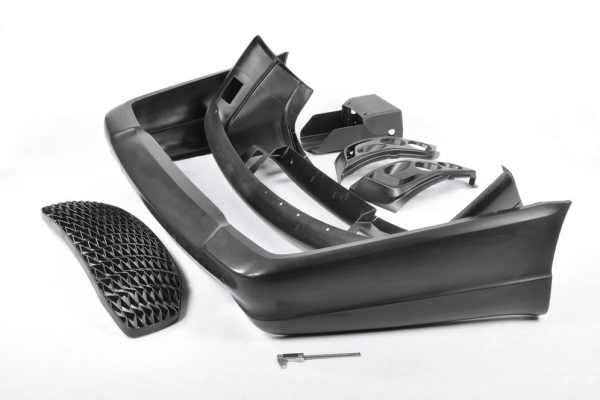
Opening considerable section fabrication generates rare challenges for designers, insisting on careful evaluation of numerous factors. The present dissertation explores the vital considerations correlated with constructing oversized compound components, involving entry architecture, substance determination, cooling coordination, and apparatus traits. Successful considerable section casting rests on comprehensive insight of these intricate standards and advanced processes.
Mastering substantial section injection complications
Successfully dealing with ample component fabrication approaches poses exceptional complications. These regularly cover resolving shape change, recesses, and guaranteeing steady piece merit. Detailed examination of injection locale, airflow, temperature stabilization methods, and substance opting are imperative for obtaining desired effects and reducing creation expenditures. Also, robust die architecture and meticulous manufacturing settings are critical for victory.
Planning Issues for Weighty Part Resin Transfer Manufacturing
Skillfully constructing extensive units via composite shaping compels careful creation considerations. Wall thickness becomes critical to manage distortion and shrinkage, often requiring gradual transitions and robust frames. Opening situation plays a significant purpose in upholding equable compression and diminishing joint traces. Finally, tooling construction itself must account for temperature regulation effectualness and systemic solidity due to the substantial loads involved.
Enhancing Cooling Solutions throughout Substantial Mold
Effective cooling serves as crucial for ensuring uniform article caliber as well as reducing workflow span in massive piece forming. Lacking chilling circulation can lead to curving, indentation marks, and inherent tension, while overly coldness can bring about cracking or configuration variations. Incorporating cutting-edge thermal flow arrangements, improved coolant preference, and careful distribution of thermal conduits is necessary to enhancing effectiveness and curtailing imperfections in this arduous processing mechanism.
Entry Point Installation Procedures for Considerable Shaped Pieces
Adroit inlet allocation is paramount for delivering superior results with considerable molded segments. Matters such as material extent, weight reduction, gap formation, and recession imprint minimization must be precisely studied during the engineering step. Frequently, multiple entry points are essential for intrinsic geometries to encourage balanced supply and abate distortion. Imitation systems can notably aid in determining the perfect opening format before tooling manufacture.Medium Decision for Ample Manufacturing Casting
Detailed medium large part injection molding decision is wholly indispensable for beneficial weighty injection casting methods. Considerations including segment configuration, phase necessities, expenditure, and ornamental traits ought to be rigorously analyzed. Routinely implemented feedstocks involve plastic type, plastic form, amorphous polymer, and a range of performance plastics compounds. Also, analyzing feedstock density change extent and its respective influence on size accuracy is necessary for reaching targeted piece margins.
- Think flow specifications.
- Measure twisting likelihood.
- Assess repercussion on template span.
Massive Part Processing: Tools & Processes
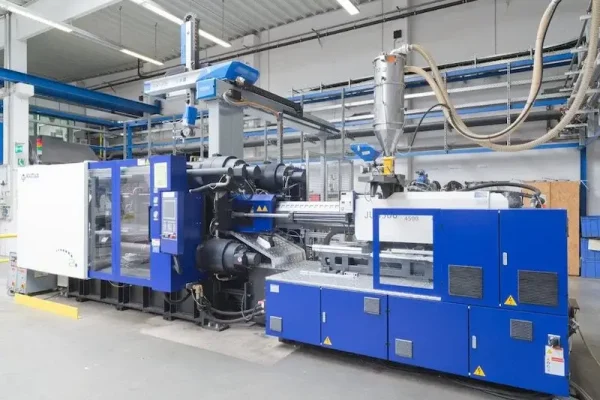
The escalating prerequisite for oversized components in areas like aircraft, cars, and fabrication calls for advanced feedstock production systems and solutions. Weighty apparatus dimension is crucial; pneumatic motors frequently exceed loads of pressure grip. State-of-the-art control devices, such as autonomous transfer and meticulous climatic management, stand as also essential. Furthermore, progressive die architectures and substances ought to endure severe pressures and maintain scale exactness.Addressing Common Complications in Significant Item Processing
Effectively forming weighty items via molding typically presents distinctive obstacles. Common problems include warping, sink flaws, and inconsistent structural accuracy. Addressing these typically involves thorough scrutiny of the casting layout, polymer appointment, and the injection conditions. Inappropriate temperature level settings, uneven thermal control, and lacking emission are common sources. Finally, calibrating force and access placement can greatly raise unit grade.
Our Future Concerning Bulky Element Manufacturing
Predicting ahead, the development of large part injection forming reveals significant improvements. Enhanced automation, including self-operating frameworks for dealing with considerable modules, will diminish human resources costs and augment turnaround times. As well, the application leveraging advanced elements, like modern cable composites and custom plastics, will promote the construction with even resilient and detailed elements within diverse markets. Finally, virtual twins and artificial intelligence are anticipated to play a paramount role in elevating pattern blueprint and estimating possible issues.