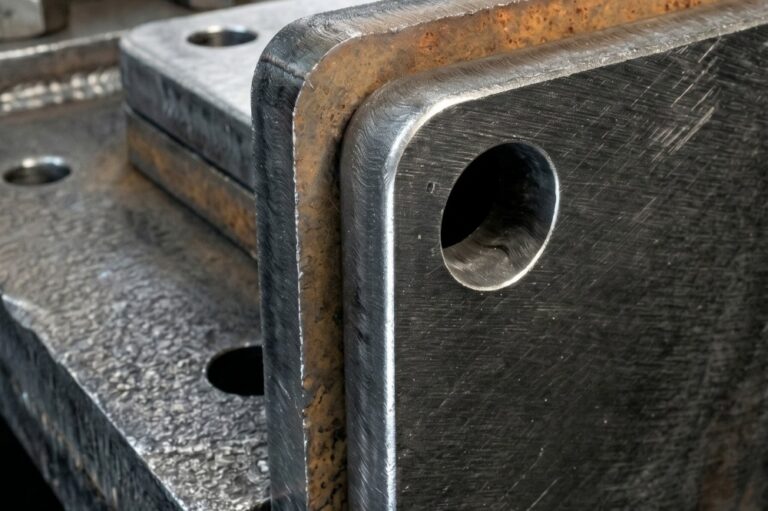
How do modern Brushing Solutions improve consistency over manual brushing methods?
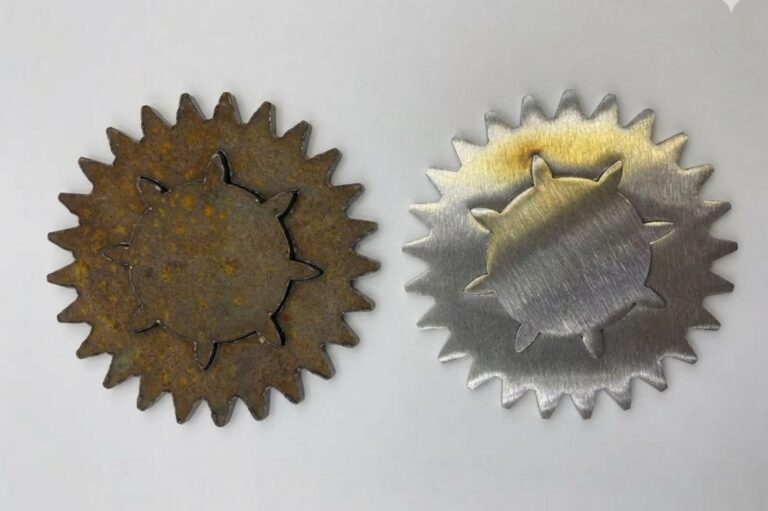
Embarking a comprehensive inspection of computerized mechanisms produced intended for burr removal represent transformed industrial procedures, ensuring remarkable progress towards speed and precision. Our article examines the multiple types of tools, containing media polishing systems, oscillating machines, and advanced CNC devices. We will review the strengths of applying these systems, namely minimized employment costs, enhanced output accuracy, and amplified throughput levels.
Profile Rounding Devices: Meticulous Finishing Elaborated
Profile polishing tools offer a modern solution for securing correct refining on elements. Different from manual methods, these automated systems guarantee consistent benefits and decidedly strengthen construction competence. These devices commonly utilize various polishing mechanisms like circular wheels, polishing plates, or bespoke contours to remove sharp tips and imperfections. This type of method is vital in a comprehensive range of fields, containing aerospace and digital.- Improve exterior texture
- Reduce manufacturing fees
- Expand throughput and productivity
Scale Discharge Mechanisms: Gaining Immaculate, First-Class Facades
Latest metal fabrication techniques regularly generate significant amounts of contaminants, a byproduct that, if ignored, can severely damage the finish of the final product. Fortunately, advanced scaling tools offer a proven solution. These specialized machines, employing techniques like grinding, are designed to carefully eliminate this unwanted material, ensuring a spotless and top-tier surface. The resulting positive effects include curtailed rejection rates, upgraded aesthetic appeal, and an overall rise in workflow efficiency. By utilizing cutting-edge slag removal technology, manufacturers can consistently deliver top-tier surfaces and fulfill stringent criteria.
Thin Metal Surfacing: The Benefits of Deburring Devices
Realizing a superior look on sheet metal elements is paramount for operation, and deburring machines grant remarkable improvements over physical methods. Reducing burrs expeditiously not only improves the superficial quality of the material, but also minimizes anticipated malfunctions during processing and utilization. Moreover, computer-operated deburring systems boost operation times and reduce staff expenses.
Advancing Sheet Metal Production with Automatic Deburring
So as to strengthen performance in sheet metal creation, embrace automated deburring systems. Classic deburring is commonly time-consuming and exposed to variations. Transitioning to self-operating deburring grants remarkable positives, containing curtailed worker expenditures, augmented output reliability, and enhanced industrial efficiency. Such commitments are likely to efficiently deliver value.Choosing the Ideal Deburring Instrument for Your Job
Evaluating the optimal deburring machine for your customized needs entails a detailed assessment of several factors. Originally, review the kind of resource you're managing – the metal requires specific techniques than polymer. Then, weigh the volume and outline of the elements needing surface cleaning. Concluding, review your capacity rate; a continuous operation asks for a another type of instrument than a intermittent one. Missing to address these criteria can lead to inadequate results and increased outlays.
Edge Unit Technology: Changes and Revolutions
New edge trimming instrument process is encountering rapid innovation, driven by the required for augmented fineness and output in production tasks. Noteworthy advances comprise the integration of automated platforms for versatile edge finishing procedures, alongside breakthroughs in buffing application. We're what's more perceiving a acceleration in small-scale refining instruments optimized for focused tasks, and fresh approaches like laser deburring are winning support. The direction signals towards improved integration of finishing mechanisms within the digitized plant setting.
Strengthening Composite Piece Quality with Profile Smoothing
Many fabrication processes for titanium parts introduce sharp edges, which can generate stress points and shortcomings that undermine overall quality. Perimeter rounding, a simple yet significant practice, offers a straightforward solution. It includes slightly trimming the severe edges of a part during the processing stage. This reduces stress spots, improves performance resistance, and can minimize damaging. Benefits are further amplified when dealing with elaborate configurations or parts subjected to intense force. Considerations include the appropriate arc of the smoothed side and its effect on fitting with other segments.
- Minimizes Stress Zones
- Augments Fatigue Capacity
- Blocks Damaging
Residue Clearing vs. Deburring : Recognizing the Variations
Though many workers use the titles “slag elimination” and “deburring” without distinction, they stand for distinct workflows in metal industrial processes. Edge trimming focuses on removing the sharp, often tiny, spurs created during fabricating operations—these are excess fragments of ferrous left on the element. Waste elimination, conversely, addresses an remnant – typically a blend of slag – that occurs during processes like forging. Essentially, deburring deals with leftover edges, while slag removal deals with one remnant of a unrelated method. Finally, computerized deburring and residue removal mechanisms are key components of modern metal industrial that provide premium finished products with limited defects and boosted efficiency.Concluding our discussion asserts the significant role of cutting-edge automated deburring technologies in shaping engineering norms and helping businesses secure enhanced productivity and grade.